Did you know that buying the right doctor supplies is a crucial part of running a medical office smoothly?
Medical office managers are responsible for ensuring the smooth and efficient running of the office, and this includes purchasing the necessary doctor supplies. With a wide range of products available in the market, it can be overwhelming for medical office managers to determine which supplies to purchase and how much to spend.
How can you make sure you review everything the doctors in your office need consistently? Read on to find out what some of the most essential doctor supplies that every medical office should have on hand.
Medical Gloves
Disposable gloves are an essential item for any medical office. They are used to protect medical staff from exposure to infectious materials and to prevent the spread of germs from patient to patient. There are different types of medical gloves available, including latex, vinyl, and nitrile gloves. Stock different sizes to accommodate all staff members.
Medical Masks
Medical masks are also a crucial item for any medical office. Masks are used to protect both medical staff and patients from airborne germs and viruses. Make sure to stock different types of masks, including surgical masks and N95 respirators; check this page for 3m 1870 mask and more. This is to make sure you can accommodate different medical procedures and situations.
Syringes and Needles
Syringes and needles are commonly used in medical offices for various procedures. They’re used for administering medication, drawing blood, and delivering injections. Make sure to have a range of sizes of syringes and needles available. This is to accommodate different procedures and patients’ needs.
Medication
Your medical office should have a stock of essential medications on hand for emergency situations. These may include epinephrine for allergic reactions and aspirin for heart attacks. Make sure to store medications safely and according to their instructions to ensure their effectiveness.
Personal Protective Equipment (PPE)
With the ongoing COVID-19 pandemic, PPE has become an essential doctor supply. You should ensure that you have a sufficient supply of masks, gloves, gowns, and face shields. Make sure that your staff is trained in the correct use of PPE, and that they wear it consistently. PPE not only protects your staff but also helps to prevent the spread of infection.
Medical Equipment
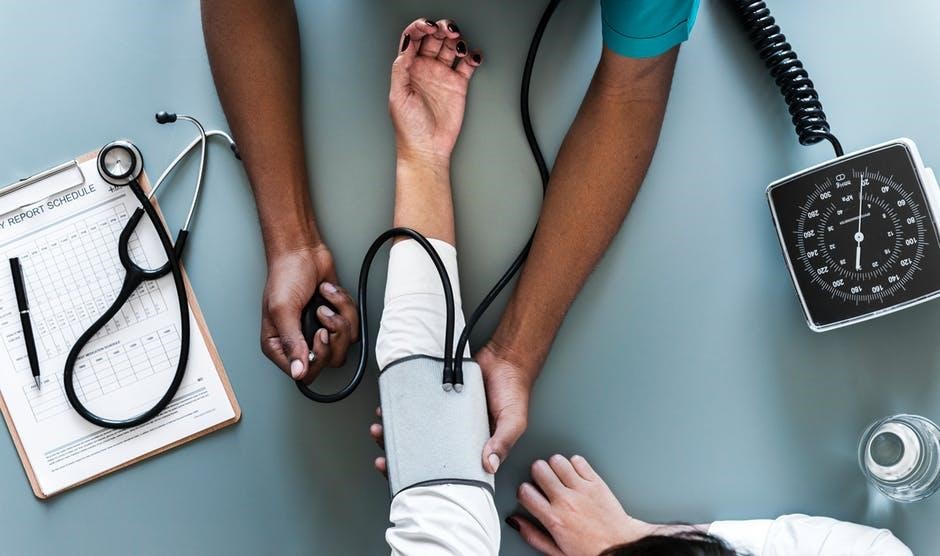
In addition to PPE, you should also ensure that you have a good supply of medical equipment. This includes items such as blood pressure monitors, thermometers, stethoscopes, and otoscopes. Make sure that your equipment is regularly serviced and maintained to ensure accuracy and reliability.
Office Supplies
In addition to medical supplies, you should also keep a stock of office supplies on hand. This includes items such as paper, pens, toner cartridges, and cleaning supplies. While these items may not seem essential, they are critical for the smooth running of the office.
Shop Smart for the Best Doctor Supplies
As a medical office manager, you play a critical role in ensuring that your office is stocked with essential doctor supplies. By keeping a good inventory of doctor supplies, you can help ensure that your medical staff can perform their duties and provide the best possible care for patients. Remember to check your supplies and replace any expired or used items promptly to ensure their effectiveness when needed.
If you found this post helpful for medical office managers and want to see more like it, be sure to check out the rest of our blog page.
Read Also
- What Today’s Patients Expect From Healthcare Brands
 Healthcare is no longer experienced only through appointments, prescriptions, or hospital visits. Patients now interact with healthcare brands through websites, mobile applications, educational articles, product instructions, customer support teams, social media, and online reviews. Every one of these interactions influences how people judge a company. This shift has raised expectations. Patients want accurate information, convenient… Read more: What Today’s Patients Expect From Healthcare Brands
 - Top Trends Shaping the Future of Mental Health CareMental health care is moving fast to meet daily human needs. People want direct care that fits modern life. Clinics respond by creating flexible options that make healing easier to reach. Providers look past rigid habits to give people solid care. From smart tools to body wellness, these changes help people find relief when life… Read more: Top Trends Shaping the Future of Mental Health Care
- Can Outsourced Telepsychiatry Help Healthcare Organizations Keep Pace With Modern Mental Health Screening?Mental healthcare is changing quickly, but many hospitals, clinics, schools, correctional facilities, and community health organizations do not have enough psychiatric professionals available to turn new screening approaches into timely clinical care. Outsourced telepsychiatry offers one way to close that gap. FasPsych, for example, connects healthcare organizations with psychiatrists, psychiatric nurse practitioners, and other behavioral… Read more: Can Outsourced Telepsychiatry Help Healthcare Organizations Keep Pace With Modern Mental Health Screening?
- Five operational checks for choking readiness in healthcare facilitiesA facility can have a choking poster on every wall and still be unprepared. Preparedness shows up when someone can recognize the emergency, call the right response, bring the right people and supplies to the room, and hand over clear information without losing time. That test belongs in operations as well as clinical education. The… Read more: Five operational checks for choking readiness in healthcare facilities
- Understanding the Demand for Correctional Healthcare ProfessionalsHave you ever wondered who cares for people when they get sick inside a prison? Many people do not realize that jails and prisons need skilled medical teams every single day. By reading this guide, you will learn why these important jobs are growing fast and how you can join this rewarding career field. Caring… Read more: Understanding the Demand for Correctional Healthcare Professionals